
TLDR
- The Lined CDR pumps are coated using the Transfer Molding technique, which produces coatings of high thickness and ensures a higher vacuum resistance than Roto molding.
- Compared to components made from solid or injection-molded materials, Transfer Molding ensures greater dimensional stability at different temperatures and greater resistance to load on the flanges.
- The PP, PVDF, ETFE and PFA coatings are resistant to strong acids, bases and solvents and ensure non-reactive surfaces, useful against contamination.
- The range includes models with mechanical seal (CCL/CCL-B, UCL) and magnetic drive (ETN-EVO, UTN, DTN ASME e DTN ISO).
- Lined pumps are used in chemical, petrochemical, pharmaceutical and other industries water treatment, with lower operating and maintenance costs.
Index
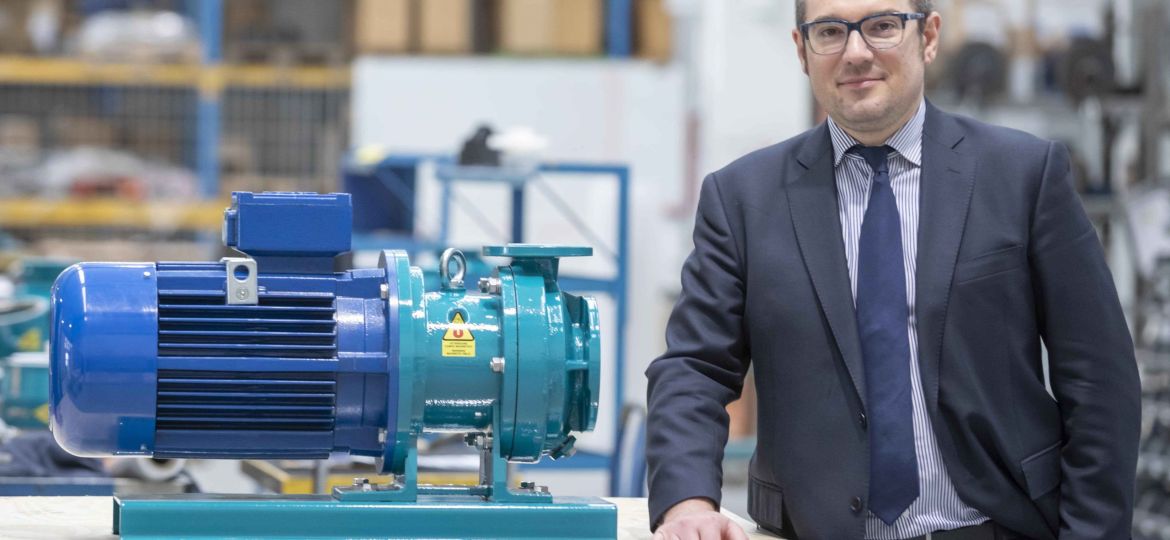
Ours lined pumps are made with the technology of transfer molding and represent a fundamental part of the production of CDR with regard to applications in the chemical and pharmaceutical fields.
These are essential devices for transporting highly corrosive or abrasive fluids: their internal lining of thermoplastic or elastomeric materials guarantees chemical and mechanical resistance, increasing the equipment's operational lifespan.
The transfer molding technique, or “Transfer Molding”
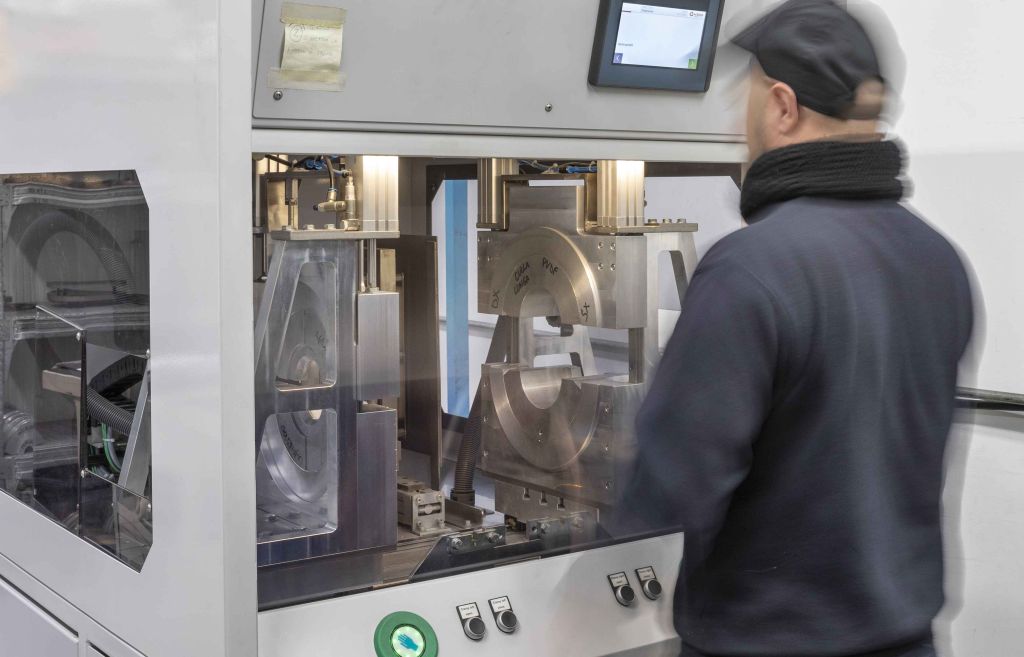
The “Transfer Molding” It is a molding technique that combines elements of compression and injection molding. The polymer material is first heated in a separate chamber and then forced into a closed mold through a runner system.
This methodology's main result is a high-thickness coating, ensuring superior vacuum resistance compared to other molding technologies such as “Rotational molding”Rotational molding“, which instead uses heat and rotational movement to evenly distribute the plastic material inside a mold.
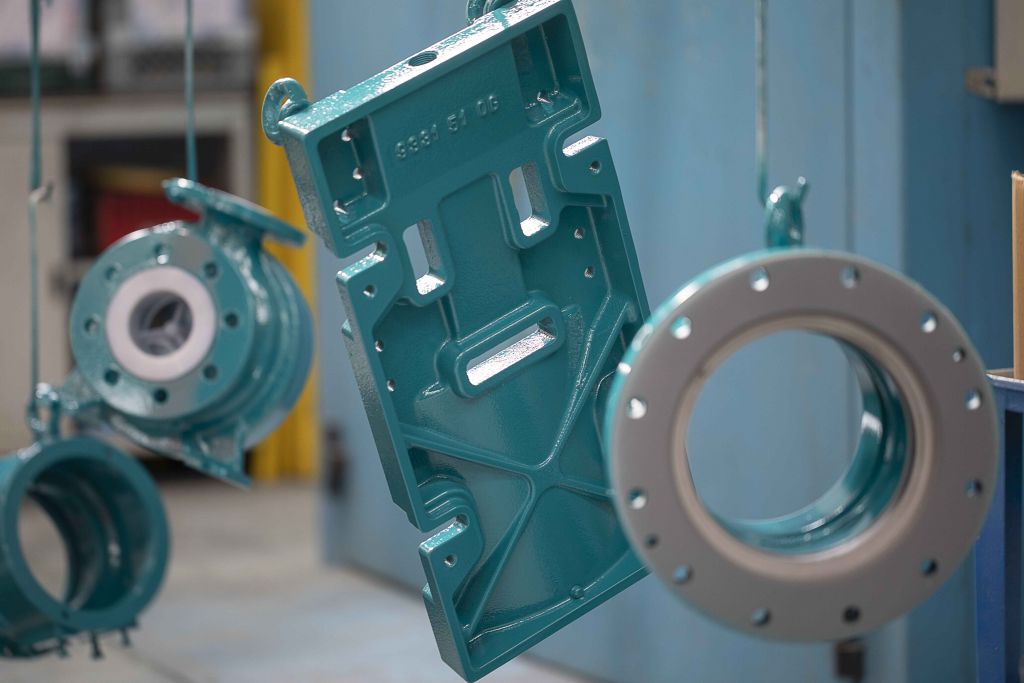
Compared to plastic pumps with components machined from solid or made with injection molding, Lined pumps manufactured with Transfer Molding“ensure greater dimensional stability all various temperatures and also greater resistance to the pressures and loads applied to the suction and discharge flanges. Furthermore, this method reduces the risk of voids or inhomogeneities that could compromise the chemical resistance of the product.
This therefore refers to a procedure that requires advanced technologies and ensures maximum quality in those more critical environments that require complete isolation of the content, even in very delicate parts of the system.
The Lined CDR Pumps: Highest quality and safety products
The importance of Lined pump In the chemical and pharmaceutical sectors, this led us to implement them by leveraging the technology of the mechanical seal What a shame magnetic drive. In this way, we can meet the needs of both customers who require pumping of slightly dirty liquids or those with suspended particulate matter, and customers who require more critical and delicate applications, where plant safety and reliability are paramount:
For mechanical seals, CDR Pompe offers two models:
- CCL/CCL-B, a closed impeller, is characterized by a lined coating of the wetted parts in PP (Polypropylene);
- UCL, single-stage process pump with mechanical seal, lined with plastic and fluoroplastic material. This model is also available in Polypropylene, PVDF (Polyvinylidene fluoride) and PFA (perfluoroalkoxy).
For magnetic drive pumps, however:
- ETN-EVO, pump magnetic drive with plastic coating and fluoroplastic Sub-ISO 2858, ideal for pumping aggressive and hazardous liquids;
- UTN, a closed impeller and horizontal execution;
- Gamma DTN (DTN ASME and DTN ISO), whose new execution with a dynamic tree guarantees greater pump reliability minor axial thrust.
The advantages of Lined CDR pumps
Compared to traditional pumps, the Lined CDR pump created with the technique of transfer molding they offer a series of clear and verifiable advantages.
First, they exhibit extremely high chemical resistance. The materials used in their design (PP, PVDF, ETFE, and PFA) ensure immense resistance to aggressive chemicals, such as strong acids, bases, and solvents. This prevents both corrosion and product deterioration, extending their useful life and reducing the risk of problems and the need for routine maintenance.
As we explained in this article, it is essential to avoid product contamination in the pharmaceutical and fine chemical industries. Plastic coatings offer enormous advantages in this regard, as they guarantee non-reactive surfaces, avoiding contamination and meeting high purity standards.
In the pharmaceutical and chemical sectors, as we've explained, the delicacy of the substances being handled makes them quite unique. Besides preventing contamination, another principle to adhere to is minimizing leaks as much as possible. Combined with magnetic drive technology, a lined pump manufactured using transfer molding guarantees an extremely high level of safety for both operators and the work environment.
Finally, another advantage of lined pumps is their enormous resistance to high temperatures and pressure: the plastic lining that comes into contact with the process is molded onto a mechanically resistant part of the pump, such as pump bodies where the mechanically resistant part is made of cast iron.
From chemistry to water treatment: Lined pumps are suitable for many different sectors
The CDR lined pumps, made with transfer molding, have unique features In terms of chemical and mechanical resistance.
for this reason, they are used in some sectors of’chemical industry such as the production of acids, solvents, and synthetic products, areas where operational safety and environmental respect are crucial factors. In the’petrochemical industry which produces semi-finished products derived mainly from methane or hydrocarbons obtained from petroleum distillation, CDR Lined pumps are fundamental in the handling of dangerous substances.
Here at CDR, we have gained extensive experience not only in the chemical sector, but also in the design of versatile, high-performance pumps for the water treatment. The know-how we possess has allowed us to create ranges of lined pumps suitable for the needs of this extremely delicate sector, such as the handling of wastewater, the treatment of drinking water, and the management of aggressive fluids.
Another area that requires attention to contamination and fluid loss is pharmaceutical, which is distinguished by the use of high-value-added fluids, essential for the production of drugs and treatments that require maximum purity and precision. For synthesis processes and the transfer of pure substances, lined pumps ensure efficiency, quality, and an extremely high safety standard.
The Lined CDR pumps made with the “Transfer Molding” technique, or transfer molding, they represent an ideal choice for handling corrosive and high-purity fluids, while ensuring high performance, protection, and resistance. Their use helps to reduce operating and maintenance costs, optimizing system efficiency.
Trust CDR for the manufacturing of process pumps for your company. As a leader in the industry, we guarantee continuous assistance, maintenance, and extremely high-quality products.
Frequently Asked Questions
What is the Transfer Molding used for in lined pumps Lined products?
Transfer Molding is a molding technique that combines elements of compression and injection molding. The polymer material is heated in a separate chamber and forced through channels into a closed mold. The result is a high-thickness coating, with less risk of voids or unevenness that would compromise chemical resistance.
What advantages does Transfer Molding have over rotational molding and injection molding in plastic pumps?
Transfer Molding produces a thicker coating, therefore with higher vacuum resistance than Roto molding (rotational molding). Compared to components made from full or injection molded materials, it offers greater dimensional stability at various temperatures and greater resistance to pressures and loads applied to the suction and discharge flanges.
What coating materials are used in Lined CDR pumps and which substances do they resist?
Lined CDR pumps use coatings in PP, PVDF, ETFE and PFA. These materials resist aggressive substances such as strong acids, bases and solvents, preventing corrosion and deterioration. Non-reactive surfaces also avoid product contamination, an essential aspect in the pharmaceutical and fine chemical industries, and reduce routine maintenance.
What models of Lined pumps are mechanical seal offered CDR Pompe?
CDR Pompe offers two Lined models mechanical seal. The CCL/CCL-B is impeller closed, with wet parts coated in polypropylene (PP). The UCL is a single-stage process pump coated in plastic and fluoroplastic material, available in PP, PVDF and PFA. They are indicated for slightly dirty liquids or with suspended particulate matter.
Which Lined pumps magnetic drive are available for hazardous fluids and critical applications?
CDR Pompe It offers three Lined series magnetic drive: ETN-EVO, monostage Sub-ISO 2858 for aggressive and hazardous liquids; UTN, with impeller closed and horizontal execution; the DTN (ASME and ISO) range, with a dynamic shaft that increases reliability and reduces axial thrust. They eliminate leaks, benefiting safety.
In which industrial sectors are lined pumps Lined used for corrosive fluids?
Lined CDR pumps are used in the chemical industry for acids, solvents and synthetic products, in petrochemicals for the handling of hazardous substances and in pharmaceutical the synthesis and transfer of pure substances. They are also used in water treatment: wastewater, drinking water and aggressive fluids.