Skip to main content Scroll Top

Category: Centrifugal pumps

Centrifugal pumps

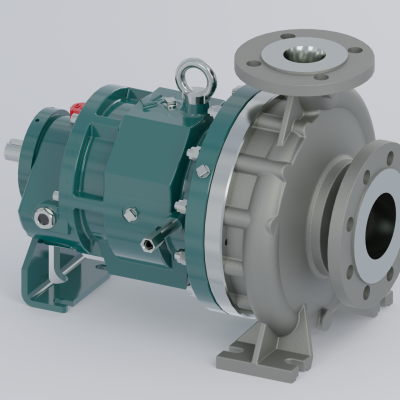
This section offers an in-depth analysis of centrifugal pumps, hydraulic machines widely used in various industrial sectors. The physical principles underlying their operation, the different configurations available (single-stage, multistage, horizontal and vertical axis pumps), selection criteria based on application specifics, and best practices for optimizing energy efficiency and predictive maintenance will be examined.
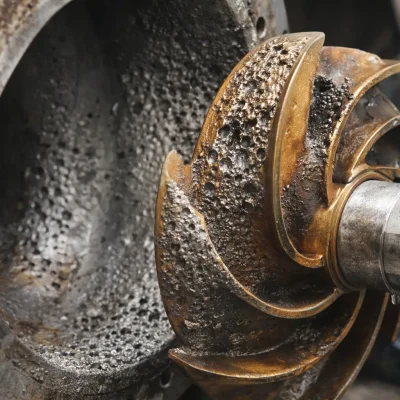
Cavitation is a phenomenon that can occur in centrifugal pumps when the pressure within the pump drops below the vapor pressure of the fluid being pumped. This causes the formation of vapor bubbles, which then collapse violently as they move into a higher pressure area. This implosion of bubbles can cause significant damage to the pump, including: * **Erosion and Pitting:** The repeated collapse of vapor bubbles creates shockwaves that can erode and pit the pump's impeller and casing. This damage can lead to reduced pump efficiency and performance over time. * **Vibration and Noise:** Cavitation often results in increased vibration and noise levels, which can be indicative of impending mechanical failure. * **Reduced Efficiency:** As the pump components become damaged, its ability to move fluid efficiently decreases, leading to higher energy consumption and reduced output. * **Catastrophic Failure:** In severe cases, cavitation can lead to the complete failure of the pump. Therefore, preventing cavitation is crucial for: * **Ensuring Pump Longevity:** By preventing cavitation, you protect the pump from damaging wear and tear, extending its operational lifespan. * **Maintaining Optimal Performance:** A cavitation-free pump operates at its designed efficiency, delivering the expected flow rates and pressures. * **Reducing Maintenance Costs:** Preventing cavitation minimizes the need for premature repairs and replacements, saving on maintenance expenses. * **Ensuring Reliability:** A properly functioning pump is essential for the continuous operation of many industrial processes. Avoiding cavitation helps guarantee its reliability. * **Safety:** Excessive vibration and noise from cavitation can be a safety hazard.
CDR Pompe – Industrial and Process Pumps
Cavitation is a phenomenon that can occur in centrifugal pumps when the pressure within the pump drops below the vapor pressure of the fluid being pumped. This causes the formation of vapor bubbles, which then collapse violently as they move into a higher pressure area. This implosion of bubbles can cause significant damage to the pump, including: * **Erosion and Pitting:** The repeated collapse of vapor bubbles creates shockwaves that can erode and pit the pump's impeller and casing. This damage can lead to reduced pump efficiency and performance over time. * **Vibration and Noise:** Cavitation often results in increased vibration and noise levels, which can be indicative of impending mechanical failure. * **Reduced Efficiency:** As the pump components become damaged, its ability to move fluid efficiently decreases, leading to higher energy consumption and reduced output. * **Catastrophic Failure:** In severe cases, cavitation can lead to the complete failure of the pump. Therefore, preventing cavitation is crucial for: * **Ensuring Pump Longevity:** By preventing cavitation, you protect the pump from damaging wear and tear, extending its operational lifespan. * **Maintaining Optimal Performance:** A cavitation-free pump operates at its designed efficiency, delivering the expected flow rates and pressures. * **Reducing Maintenance Costs:** Preventing cavitation minimizes the need for premature repairs and replacements, saving on maintenance expenses. * **Ensuring Reliability:** A properly functioning pump is essential for the continuous operation of many industrial processes. Avoiding cavitation helps guarantee its reliability. * **Safety:** Excessive vibration and noise from cavitation can be a safety hazard.

Among the phenomena that most often compromise the performance and reliability of industrial plants, cavitation in a centrifugal pump is undoubtedly one of the most insidious and dangerous.

Safe Tank Discharge: CDR Centrifugal Pumps for Hazardous Liquid Management
ChatGPT Image July 16, 2026, 00_52_29

Unloading a tanker that carries chemicals is a delicate moment in the logistics and industrial cycle: any error at this stage can cause spills, environmental contamination and very serious risks to operators' health.
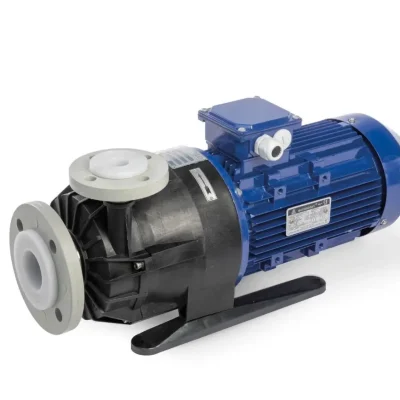
The CDR STN range: centrifugal pump for hydrochloric acid
CDR Pompe – Industrial and Process Pumps

Handling a highly corrosive fluid like hydrochloric acid requires a high level of expertise and state-of-the-art equipment to ensure the total safety of the plant and workers, operational continuity throughout the production cycle, and long-term reliability.
Centrifugal Pump Materials: What's the Most Suitable Solution?
ChatGPT Image July 16, 2026, 00_59_34

Choosing the right materials for centrifugal pumps is essential to strike a balance between performance, reliability and the service life of a plant.
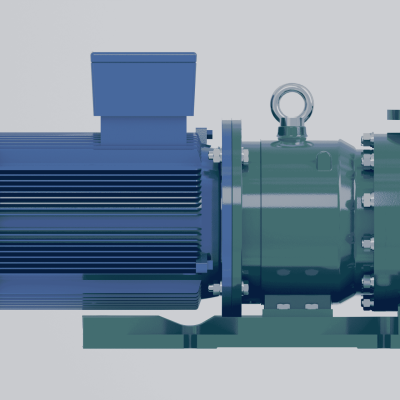
Centrifugal Pump for Hydrofluoric Acid: The XTN-BL Series from CDR Pompe
Centrifugal pump for hydrofluoric acid

The centrifugal pump for hydrofluoric acid is one of the best solutions for hazardous and corrosive fluids in the CDR Pompe series. Hydrofluoric acid (HF) is, in fact, one of the most insidious and challenging substances to handle in the chemical and process industries.

Complete CDR Guide for Choosing the Best Pump for Corrosive Acids
corrosive acid pump

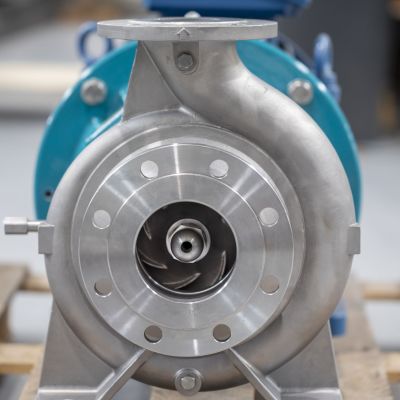
When it comes to a pump for corrosive acids, the priority is to ensure safety, reliability and resistance to the most aggressive fluids. Magnetic drive centrifugal pumps are today the most effective answer to these needs