
Magnetic drive pump

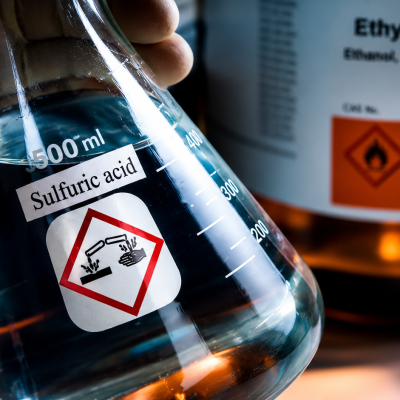
The use of corrosive acids in sectors such as chemistry, surface treatment, pharmaceuticals, and energy requires meticulous plant design, strict adherence to regulations, and the installation of the right centrifugal pump that complies with specific production needs.
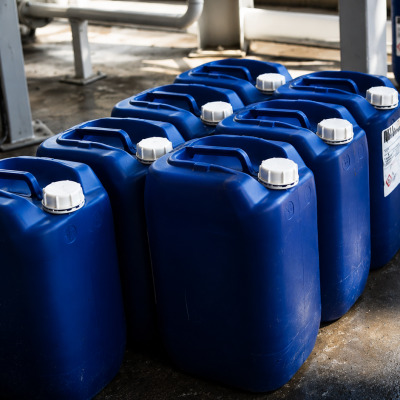
Handling ammonia, a substance used in numerous technically demanding production processes, requires informed design choices, experience and close attention to hazards.

Inadequate or sporadic maintenance can in fact lead to consequences ranging from reduced hydraulic performance to possible overheating of the magnetic coupling, from premature wear of internal components to unplanned plant downtime.
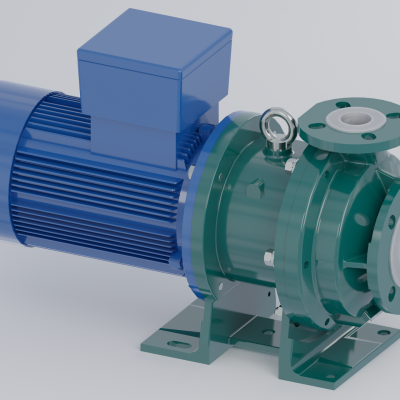
In water treatment and the chemical industry, pumping highly reactive substances requires technological solutions tailored to the characteristics of different fluids.
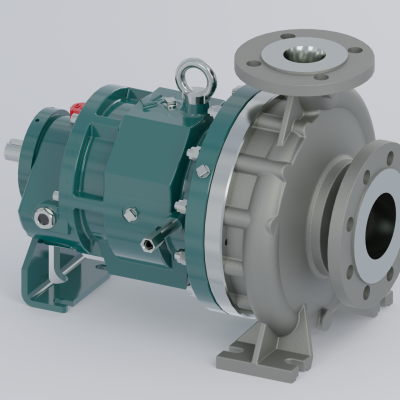
Managing heat transfer fluid requires highly advanced, reliable solutions designed to last and to minimize the operating risks that leaks, failures or malfunctions could cause.

Sulfuric acid is one of the most widely used reagents in manufacturing and chemistry, but it is also one of the most difficult to handle. Fertilizers, oil refining, mineral processing, chemical synthesis, battery production, and water treatment are just a few of the areas in which this reagent is used on a daily basis.
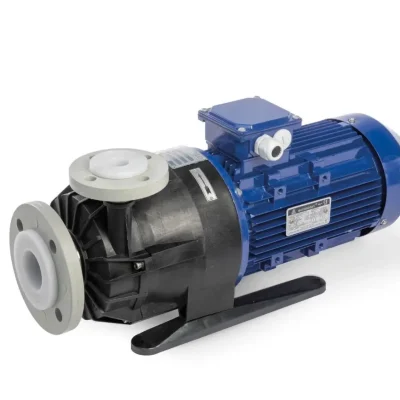
Handling a highly corrosive fluid like hydrochloric acid requires a high level of expertise and state-of-the-art equipment to ensure the total safety of the plant and workers, operational continuity throughout the production cycle, and long-term reliability.
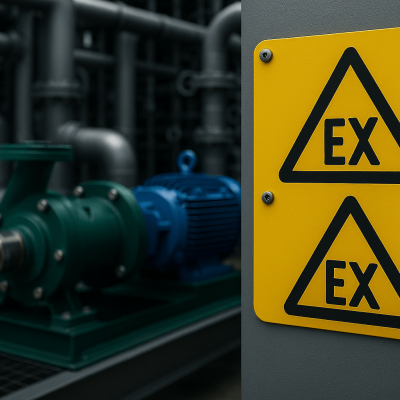
In the chemical and pharmaceutical industries, risk management is an integral part of the production process, a responsibility that all stakeholders must undertake.

When it comes to a pump for corrosive acids, the priority is to ensure safety, reliability and resistance to the most aggressive fluids. Magnetic drive centrifugal pumps are today the most effective answer to these needs