
TLDR
- The magnetic drive UTS pump CDR Pompe operates at temperatures below -100°C and is suitable for industrial chemical and pharmaceutical.
- XTN The pumps XTS operate down to -50°C and are designed for liquids containing solids.
- UTS pumps use stainless steel lanterns designed for nitrogen flushing, silicon carbide bushings and samarium cobalt (SmCo) magnets.
- The most commonly used fluids at low temperatures are Therminol D12 and SYLTHERM XLT, for which the CDR pumps are designed.
- Dual containment and leak detection sensors increase the safety of chemical and pharmaceutical plants, where even small leaks have significant consequences.
Index
The low-temperature pumps represent a crucial element for various industrial sectors, including the chemical and the pharmaceutical. The use of fluids at extremely low temperatures requires not only advanced technology but also a deep understanding of the end-user's needs. In this regard, close collaboration between the user and the relevant technical department becomes essential to ensure proper technical alignment and guarantee optimal solutions.
After analyzing in another post the high-temperature pumps, In this article, we analyze the fundamental characteristics of low-temperature pumps, analyzing applications, materials, and safety.
The essential factors to consider when choosing a low-temperature pump
Low-temperature pumps must ensure excellent performance, safety, and reliability, especially in extreme operating conditions. In this context, it is crucial for the supplier and the end-user to collaborate closely to identify and meet the specific needs of the system, minimizing operational risks. CDR Pompe pay particular attention to this aspect, ensuring continuous communication with your technical office.
This approach not only increases plant safety but also allows for the proposal of solutions that meet market demands. Every phase, from material selection to pump configuration, is carefully analyzed to ensure maximum efficiency and safety.

The UTS magnetic drive pump
The Magnetic drive pump they are ideal for low-temperature applications, eliminating the risk of liquid leaks due to their seal-less technology.
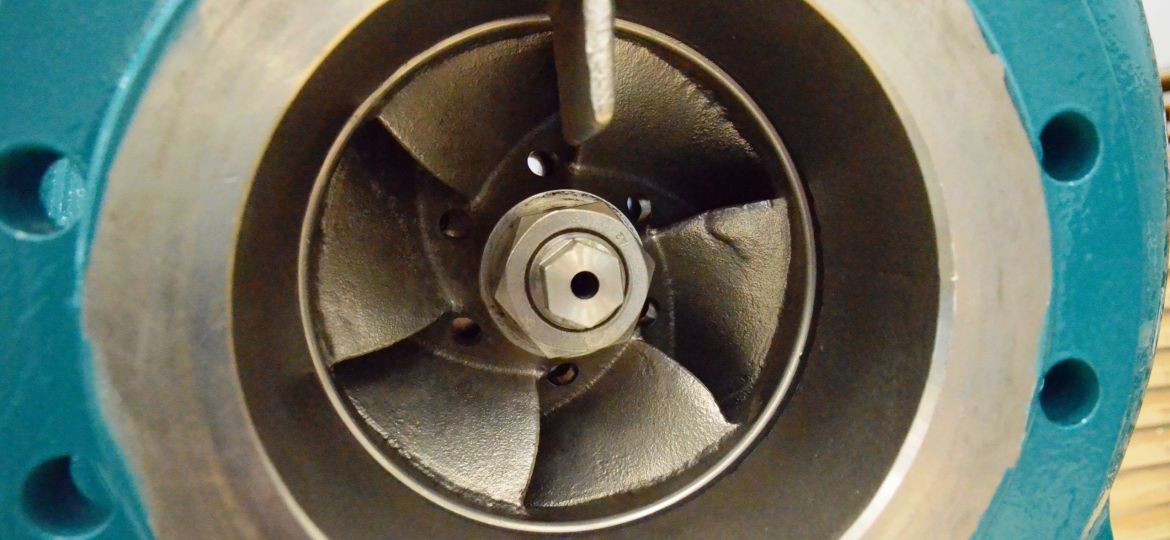
Among these, the pump UTS magnetic drive Designed and manufactured by us, this pump stands out for its ability to operate at temperatures below -100°C. This pump is particularly well-suited for sectors such as chemical and pharmaceutical, where very high safety standards are required. Thanks to the use of high-quality materials such as stainless steel for the pump housing, silicon carbide for the bushings, and samarium-cobalt (SmCo) for the magnets, the UTS delivers superior performance even under extreme conditions.
Its modularity is another strong point, allowing for the optimization of consumed power based on operational needs. The system of magnetic drive, Moreover, it guarantees perfect liquid containment, eliminating contamination risks and making the pump ideal for handling toxic or hazardous fluids.
The XTN and XTS pumps: low-temperature pumps suitable for handling liquids containing solids
Another area of application to consider for this type of pump is the processing of liquids containing solids. For this application, CDR Pompe has designed the pump XTN e XTS operating down to -50°C.
Although they do not reach the extreme temperatures of UTS, these pumps represent an effective solution for applications requiring the treatment of fluids contaminated with solid particles. Their reliability and consistent performance make them an excellent choice for multiple industrial sectors.

High-quality materials for extreme conditions
One of the key elements to ensure the success of low-temperature pumps is the choice of materials.
CDR Pompe uses the highest quality components such as the lantern in stainless steel prepared for nitrogen flushing, bushings of silicon carbide and a magnetic core in Samarium Cobalt (SmCo). These materials ensure that the pumps can maintain optimal performance even in extreme conditions, guaranteeing long-term durability and reliability.
The Samarium Cobalt This is particularly relevant for magnets, as it allows the pump to operate over a wide temperature range, offering stability even in critical situations. The use of these materials reduces the risks associated with failures or inefficiencies, while maintaining constant pump performance.
Commonly used fluids
Often the low-temperature pumps they work with specific fluids.
Our pumps are designed to handle the most common ones, the Therminol D12 and the SYLTHERM XLT. These fluids have been developed specifically to maintain stability and performance even at extremely low temperatures, ensuring that industrial processes can continue without interruptions caused by changes in fluid properties.
Advanced security for complex systems
In addition to the choice of materials, safety represents a fundamental pillar in the design of low-temperature pumps. For this reason, CDR pumps integrate advanced technologies such as the double containment and leak detection sensors, which guarantee a very high level of safety in case of any malfunctions. This is particularly important in chemical or pharmaceutical plants, where even the slightest leak or contamination could have significant consequences.
Ours low-temperature pumps they want to represent a winning combination of innovation, safety, and high performance. Thanks to the use of the highest quality materials, such as stainless steel and samarium cobalt, and continuous collaboration with the client, CDR Pompe is able to offer customized solutions, minimizing operational risks and improving plant efficiency. Contact us for all types of information.
Frequently Asked Questions
Up to what temperature can a magnetic drive low-temperature pump like the UTS work?
The magnetic drive UTS pump CDR Pompe can operate at temperatures below -100°C. Being free of mechanical seals, it eliminates the risk of liquid leakage. It is suitable for sectors chemical pharmaceutical and applications where very high safety standards are required and where toxic or hazardous fluids are handled.
What materials are needed to build a centrifugal pump that operates at very low temperatures?
For low temperatures, it CDR Pompe uses a stainless steel torch designed for nitrogen flushing, silicon carbide bushings, and a samarium cobalt (SmCo) magnetic core. These materials maintain performance and reliability in extreme conditions, reducing the risk of failures or inefficiencies and ensuring long-term durability.
Why is cobalt samarium used for the magnets of low-temperature pumps?
Cobalt samarium (SmCo) is used for magnets because it allows the pump to operate over a wide temperature range, with stability even in critical situations. At magnetic drive pumps low temperatures, it helps maintain constant performance and reduce the risk of failure.
Which low-temperature pump should be used for liquids containing solid particles?
For liquids containing solids XTS, it CDR Pompe has designed the pumps XTN that operate down to -50°C. They do not reach the extreme temperatures of the UTS, but they are a reliable and consistently performing solution for treating fluids contaminated with solid particles in many industrial sectors.
Which fluids for low temperatures are compatible with the pumps CDR Pompe?
The low-temperature pumps CDR Pompe are designed for the most commonly used fluids in this field, Therminol D12 and SYLTHERM XLT. These fluids are developed to maintain stability and performance even at extremely low temperatures, preventing process interruptions caused by changes in their properties.
What safety systems do low-temperature pumps for chemical and pharmaceutical plants have?
CDR low-temperature pumps integrate dual containment and leak detection sensors, which ensure a high level of safety in the event of malfunctions. They are important solutions in chemical and pharmaceutical plants, where even a small leak or contamination could have significant consequences.