Skip to main content Scroll Top

Category: News

News

The in-depth know-how we have acquired over the years allows us to offer a wide range of pumps, customized to meet the diverse needs of industrial applications. In particular, we are able to supply pumps in various materials, including PP (polypropylene), PVDF (polyvinylidene fluoride), and PFA (perfluoroalkoxy), depending on the specific process requirements and the type of fluid to be handled.
Checklist for the Maintenance of Magnetic Drive Centrifugal Pumps
centrifugal pump maintenance

Una manutenzione inadeguata o sporadica può infatti generare conseguenze che vanno dalla riduzione delle prestazioni idrauliche al possibile surriscaldamenti del giunto magnetico, dall’usura prematura dei componenti interni fino al fermo impianto non programmato. 
How to address and solve common centrifugal pump problems
Centrifugal pumps

SOMMARIO Le pompe centrifughe rappresentano un elemento fondamentale in numerosi impianti industriali, ma il loro corretto funzionamento dipende da un…

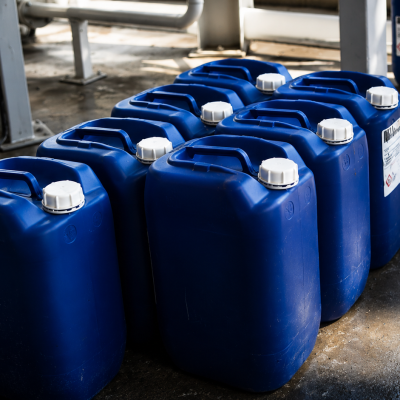
Sodium Hypochlorite Pump: Safety, Materials, and Performance of the ETN EVO
sodium hypochlorite pump

In water treatment and the chemical industry, pumping highly reactive substances requires technological solutions tailored to the characteristics of different fluids.

UTS EVO thermal oil pump: a solution for high-temperature fluids
diathermic oil pump

La gestione del fluido termovettore richiede soluzioni altamente tecnologiche, affidabili, progettate per durare nel tempo e ridurre al minimo i rischi operativi che potrebbero essere causati da perdite, guasti o malfunzionamenti.

With CDR's new paint booth, quality and production capacity increase.
paint booth

CDR Pompe conferma il proprio impegno verso qualità con l’installazione della nuova cabina verniciatura, un investimento che migliora protezione, finitura e durata delle pompe centrifughe

Cavitation is a phenomenon that can occur in centrifugal pumps when the pressure within the pump drops below the vapor pressure of the fluid being pumped. This causes the formation of vapor bubbles, which then collapse violently as they move into a higher pressure area. This implosion of bubbles can cause significant damage to the pump, including:

*   **Erosion and Pitting:** The repeated collapse of vapor bubbles creates shockwaves that can erode and pit the pump's impeller and casing. This damage can lead to reduced pump efficiency and performance over time.
*   **Vibration and Noise:** Cavitation often results in increased vibration and noise levels, which can be indicative of impending mechanical failure.
*   **Reduced Efficiency:** As the pump components become damaged, its ability to move fluid efficiently decreases, leading to higher energy consumption and reduced output.
*   **Catastrophic Failure:** In severe cases, cavitation can lead to the complete failure of the pump.

Therefore, preventing cavitation is crucial for:

*   **Ensuring Pump Longevity:** By preventing cavitation, you protect the pump from damaging wear and tear, extending its operational lifespan.
*   **Maintaining Optimal Performance:** A cavitation-free pump operates at its designed efficiency, delivering the expected flow rates and pressures.
*   **Reducing Maintenance Costs:** Preventing cavitation minimizes the need for premature repairs and replacements, saving on maintenance expenses.
*   **Ensuring Reliability:** A properly functioning pump is essential for the continuous operation of many industrial processes. Avoiding cavitation helps guarantee its reliability.
*   **Safety:** Excessive vibration and noise from cavitation can be a safety hazard.
CDR Pompe – Industrial and Process Pumps
Cavitation is a phenomenon that can occur in centrifugal pumps when the pressure within the pump drops below the vapor pressure of the fluid being pumped. This causes the formation of vapor bubbles, which then collapse violently as they move into a higher pressure area. This implosion of bubbles can cause significant damage to the pump, including: * **Erosion and Pitting:** The repeated collapse of vapor bubbles creates shockwaves that can erode and pit the pump's impeller and casing. This damage can lead to reduced pump efficiency and performance over time. * **Vibration and Noise:** Cavitation often results in increased vibration and noise levels, which can be indicative of impending mechanical failure. * **Reduced Efficiency:** As the pump components become damaged, its ability to move fluid efficiently decreases, leading to higher energy consumption and reduced output. * **Catastrophic Failure:** In severe cases, cavitation can lead to the complete failure of the pump. Therefore, preventing cavitation is crucial for: * **Ensuring Pump Longevity:** By preventing cavitation, you protect the pump from damaging wear and tear, extending its operational lifespan. * **Maintaining Optimal Performance:** A cavitation-free pump operates at its designed efficiency, delivering the expected flow rates and pressures. * **Reducing Maintenance Costs:** Preventing cavitation minimizes the need for premature repairs and replacements, saving on maintenance expenses. * **Ensuring Reliability:** A properly functioning pump is essential for the continuous operation of many industrial processes. Avoiding cavitation helps guarantee its reliability. * **Safety:** Excessive vibration and noise from cavitation can be a safety hazard.

Tra i fenomeni che più frequentemente compromettono prestazioni e affidabilità degli impianti industriali, la cavitazione in una pompa centrifuga è senza dubbio uno dei più insidiosi e pericolosi.